Strategic minerals

Rare Earths & Gold

The elements powering the global energy transition.

- What are Rare Earths

Rare Earths are a group of 17 chemical elements from the periodic table, essential for manufacturing permanent magnets, batteries, wind turbines, electric vehicles and defense technologies.

Despite the name, many of these elements are not necessarily "rare" in Earth's crust, but they usually occur in economically viable concentrations in few deposits worldwide, making their supply strategic.
Minerals

The 17 Elements

Lanthanides, Scandium and Yttrium - the foundation of the new economy.

Light Rare Earths (LREE)

Lanthanum (La), Cerium (Ce), Praseodymium (Pr), Neodymium (Nd), Promethium (Pm), Samarium (Sm), Europium (Eu).

Heavy Rare Earths (HREE)

Gadolinium (Gd), Terbium (Tb), Dysprosium (Dy), Holmium (Ho), Erbium (Er), Thulium (Tm), Ytterbium (Yb), Lutetium (Lu), plus Yttrium (Y) and Scandium (Sc).

Applications

Strategic Applications

Critical technologies for decarbonization, defense and electronics.

Electric Mobility

NdFeB permanent magnets for electric and hybrid vehicle motors.

Wind Energy

Offshore and onshore turbine generators use up to 600 kg of Rare Earths per unit.

Consumer Electronics

Smartphones, displays, lasers, optical fibers and nickel-metal hydride batteries.

Defense & Aerospace

Guidance systems, radars, satellites, missiles and high-performance alloys.

Industrial Catalysis

Cerium and Lanthanum in automotive catalytic converters and oil refining.

Health & Imaging

Gadolinium in MRI contrasts and medical devices.

Global Market & Brazil

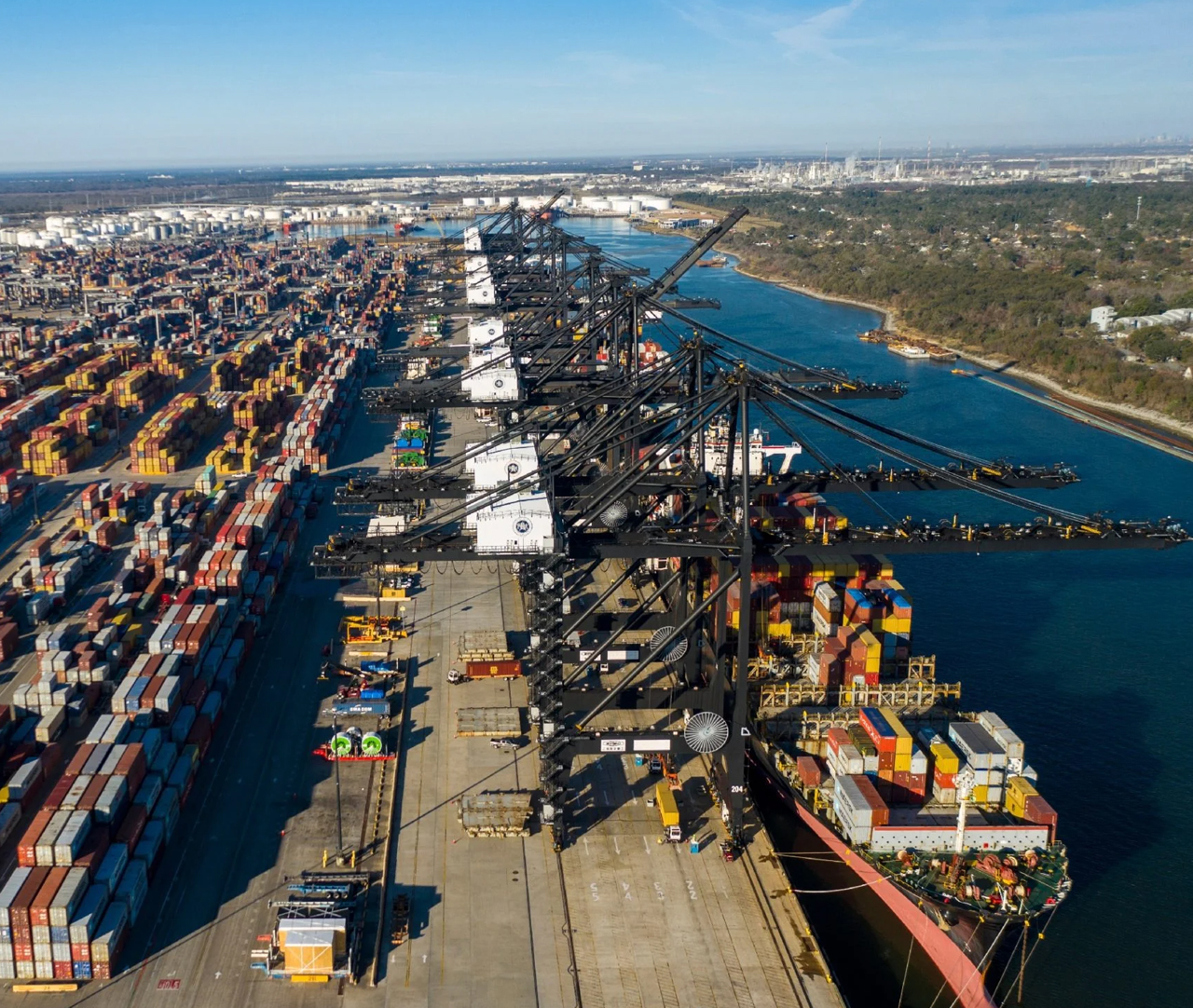
Demand for Rare Earths is expected to grow more than fivefold by 2040, driven by the energy transition and mobility electrification. China currently accounts for around 60% of global production and over 85% of refining, raising global concerns over supply-chain security.

Brazil holds the world's third-largest Rare Earth reserve and is strategically positioned to become a reliable supplier to western markets. Minas Gerais concentrates a significant share of national geological potential, with lateritic deposits favorable to sustainable exploration.

3a
Brazil's largest global reserve rank
5x
Expected growth by 2040
17
Group elements
27.030 ha
Sozo explored area

- Rare Earths in the Sozo Project

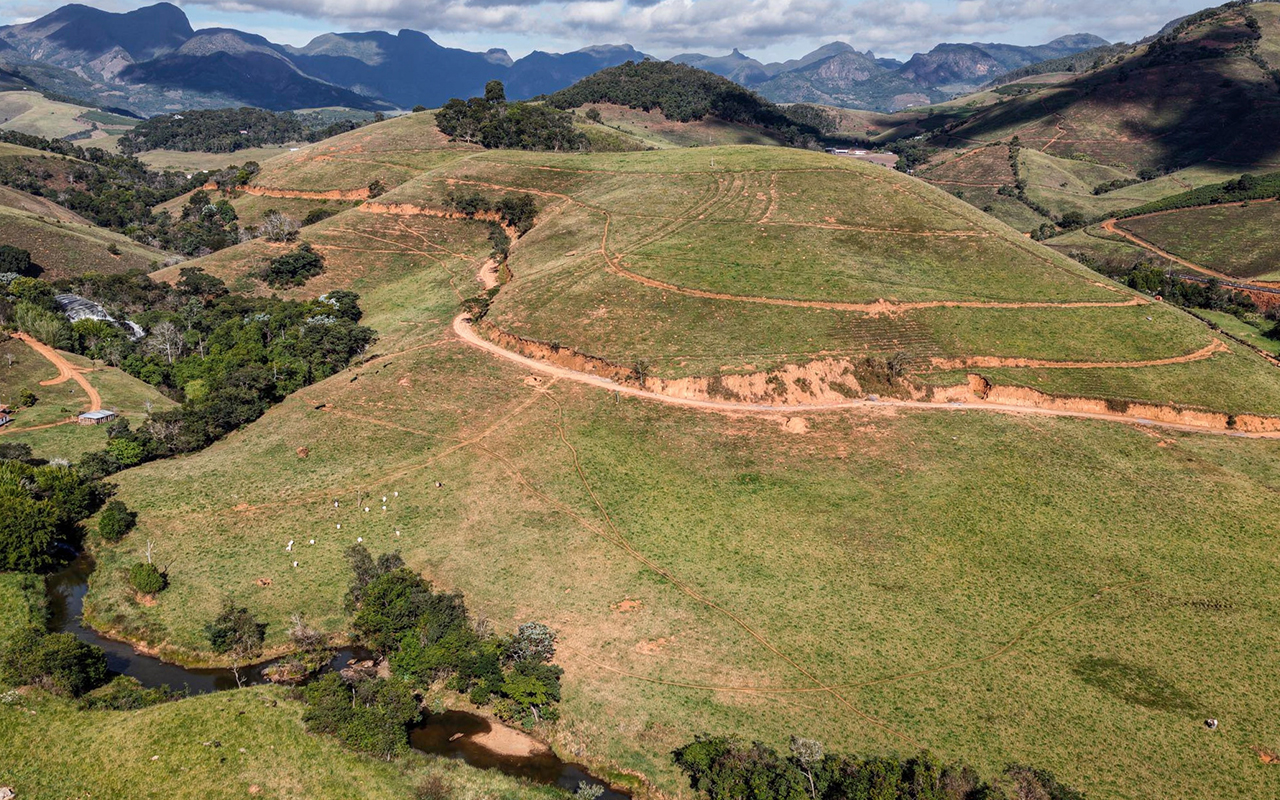
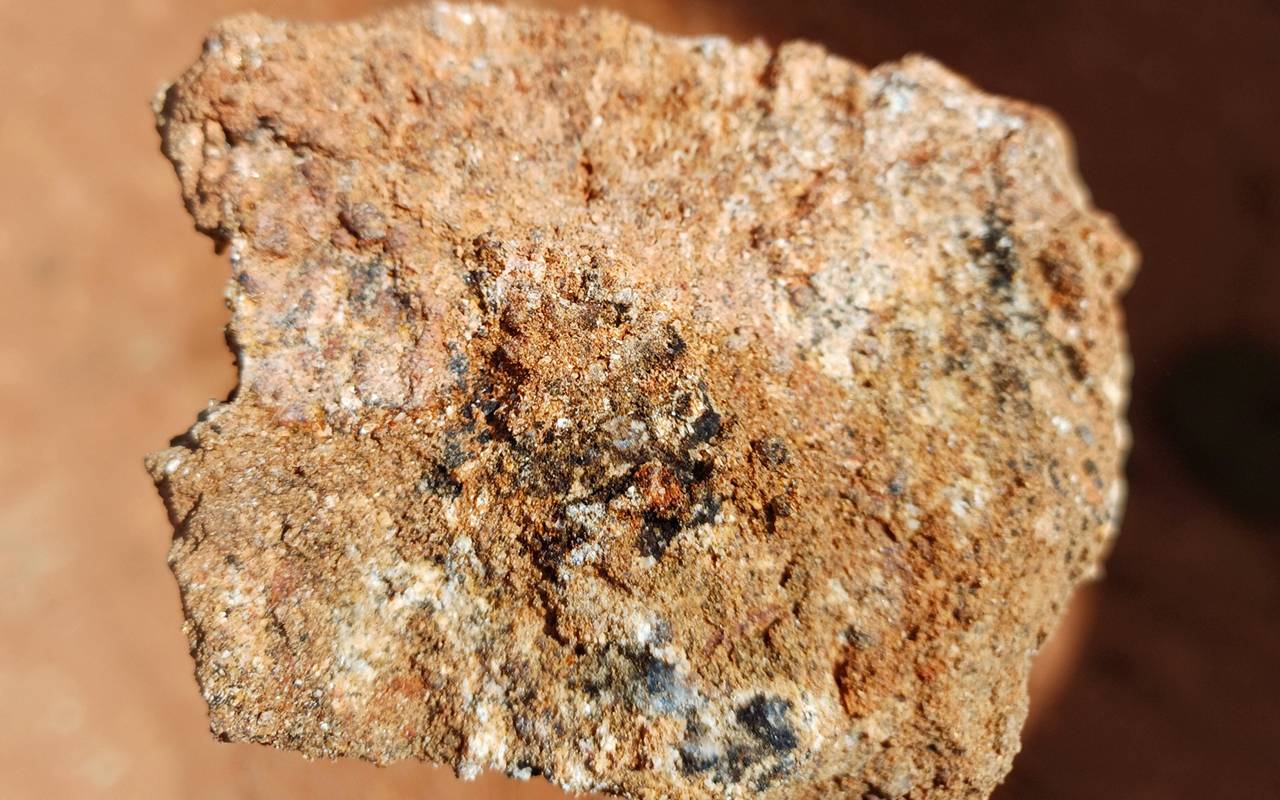
In Sozo Terra Insights' project, Rare Earths occur mainly associated with laterite and saprolite profiles developed over specific host rocks identified in the Serra do Brigadeiro region.

The company has been conducting systematic sampling campaigns, chemical analyses and petrographic studies to delimit Rare Earth enriched zones and understand mineralization geological controls.

Geology

- Project Geology

The explored area lies within the Southern Brasilia Belt and the edge of the Sao Francisco Craton, with metamorphic rocks, alkaline intrusions and deep weathering profiles - conditions globally recognized as favorable for Rare Earth concentration in ionic adsorption deposits (IAD).

Sozo Terra Insights fieldwork includes structural mapping, systematic geochemical sampling, ICP-MS analyses, microscopic petrography and 3D modeling of laterite and saprolite profiles, integrating regional data into a proprietary geological database under development.

Gold

- Gold as By-product

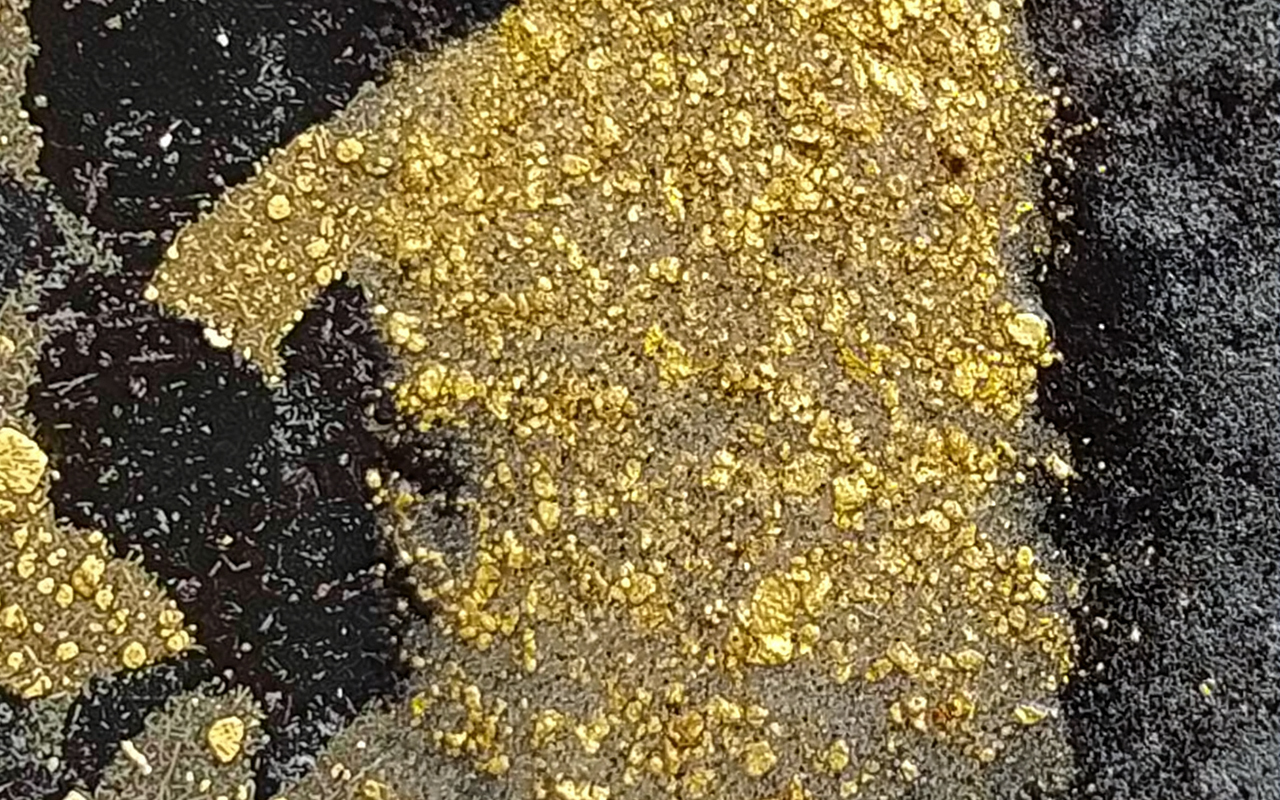
Gold appears as a secondary mineral in priority targets, identified through stream sediment sampling and gold grain counting, contributing to a full characterization of the area's mineral potential.

Although the primary focus is Rare Earth resource certification, the presence of gold at relevant concentrations adds strategic value to the mineral portfolio and broadens project economic potential.